Brakes That Stop When You Need Them
Brake Repair & Brake Service in Odessa for vehicles showing reduced stopping power or unusual brake noise
Squealing, grinding, vibration, or reduced stopping power signal brake system wear that compromises vehicle safety and requires immediate inspection. Properly functioning brakes convert vehicle momentum into controlled deceleration through friction between pads and rotors, and when pad material wears thin or rotors develop surface irregularities, braking performance deteriorates and stopping distances increase. Tru-Lube Brake & Tire Center performs brake repair and brake service in Odessa by inspecting the complete braking system—pads, rotors, calipers, brake lines, hoses, and fluid condition—before recommending specific repairs based on actual wear patterns and component condition.
Brake pad replacement restores friction material between calipers and rotors, while rotor inspection determines whether existing rotors meet minimum thickness specifications or require replacement due to excessive wear, warping, or scoring. Brake lines and hoses are inspected for leaks, cracks, or swelling that could cause brake fluid loss and system failure. Technicians measure pad thickness, rotor thickness and runout, and fluid moisture content to identify components that no longer meet safety standards, and they explain which repairs are necessary immediately versus what can wait for future service.
Schedule a brake inspection to evaluate your braking system and address issues before stopping power deteriorates further.
What Proper Brake Service Requires
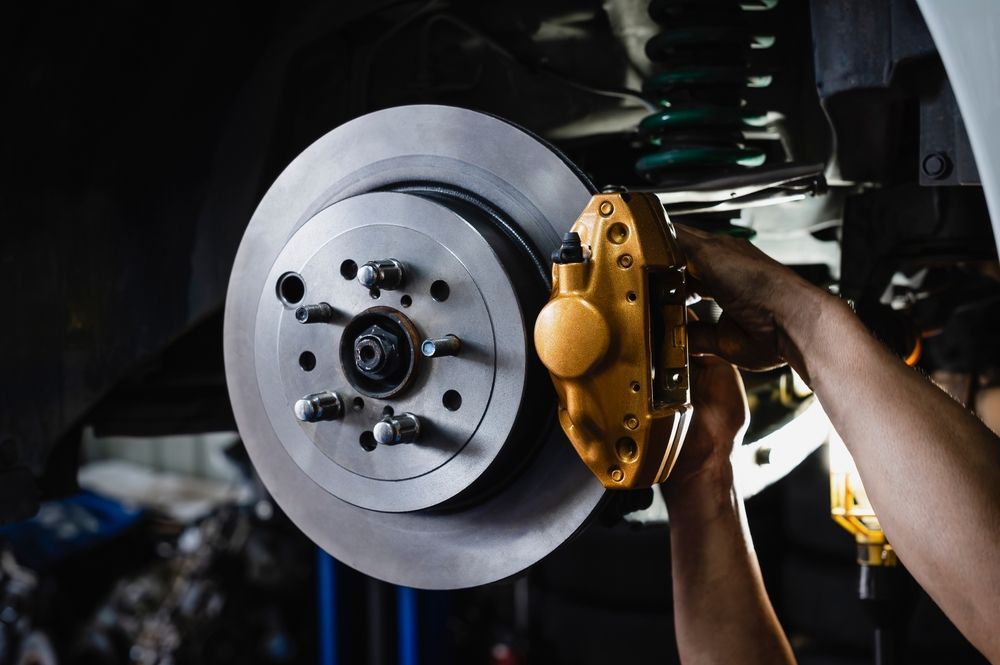
Brake service begins with removing wheels and measuring pad thickness at each corner, inspecting rotor surfaces for scoring or hot spots, and checking caliper operation for smooth piston movement and even pad contact. Rotors are measured with a micrometer to verify they exceed minimum thickness specifications and can be resurfaced if needed, or they're replaced when worn below safe limits or warped beyond correction. Brake hardware including clips, shims, and anti-rattle springs is replaced during pad installation to prevent noise and ensure even pad wear.
After brake repairs are completed, you'll notice firm pedal feel, smooth deceleration without pulsation, and quiet operation during normal braking. The vehicle stops in shorter distances with less pedal pressure, and brake response becomes predictable across different driving conditions. Properly installed pads make full contact with rotor surfaces, eliminating the vibration and noise that result from uneven wear or improper hardware installation.
Quality replacement parts and professional installation ensure brakes perform as designed, and honest recommendations based on actual wear prevent unnecessary rotor replacement when resurfacing is sufficient or pad replacement when components still meet specifications. Service includes inspection of all brake components, not just the most visible wear items, ensuring problems in brake lines, hoses, or fluid condition don't go unnoticed.
Questions About Brake Service
Brake service timing depends on driving patterns and component wear, and recognizing warning signs helps you schedule service before performance becomes unsafe.
What causes squealing brakes?
High-pitched squealing typically results from worn brake pads where the wear indicator—a small metal tab designed to contact the rotor—alerts you that pad material is nearly depleted and replacement is needed. Some pad formulations also produce light squealing during initial break-in or in cold, damp conditions.
When should rotors be replaced versus resurfaced?
Rotors are replaced when they've worn below minimum thickness specifications stamped on the rotor itself, when they're warped beyond correction, or when deep scoring has compromised the friction surface. Rotors within specifications and showing only minor surface wear can be resurfaced to restore smooth braking.
Why do brakes vibrate or pulsate?
Vibration during braking indicates uneven rotor surfaces caused by warping from repeated heat cycles or uneven pad contact. The rotor high spots push the pads back, creating pulsation you feel through the brake pedal. Resurfacing or replacing rotors eliminates the vibration.
How long do brake pads last in Odessa?
Pad life varies with driving habits—frequent stop-and-go driving, heavy loads, and aggressive braking shorten pad life, while highway driving with gradual deceleration extends it. Most pads last 30,000 to 70,000 miles, but inspection during tire rotations or oil changes provides specific wear measurements for your vehicle.
What happens if I ignore brake problems?
Worn pads allow metal backing plates to contact rotors directly, causing grinding noise and severe rotor damage that requires replacement rather than resurfacing. Delayed service also increases stopping distances and can lead to complete brake failure if caliper pistons seize or brake lines rupture from age and contamination.
Tru-Lube Brake & Tire Center installs quality brake components and provides recommendations based on actual brake wear rather than predetermined service packages. Stop by for a brake inspection before minor issues become safety hazards.