
Routine Oil Changes That Protect Your Engine
Oil Change Services in Odessa for engines exposed to West Texas heat and dust
Tru-Lube Brake & Tire Center provides oil change services in Odessa designed to protect engine performance under conditions that accelerate oil breakdown and contamination. West Texas driving conditions—high ambient temperatures, dusty environments, and frequent short trips—all place additional stress on engine oil and filtration systems. Regular oil changes remove contaminants, restore proper lubrication, and prevent premature engine wear that shows up as reduced power, increased fuel consumption, or unusual engine noise.
Conventional oil works for standard driving conditions and meets manufacturer specifications for many vehicles, while synthetic blend formulations offer improved heat resistance and breakdown protection, and full synthetic oil provides maximum performance in extreme temperatures and high-stress driving. Technicians replace the oil filter with every service using quality filters that capture particulates before they circulate through the engine, and they check fluid levels and inspect visible components including belts, hoses, and battery connections during each visit. Recommendations follow manufacturer guidelines adjusted for local driving conditions, including dusty roads and prolonged idling that shorten oil life beyond standard intervals.
Schedule an oil change at the Odessa location to maintain proper engine lubrication and performance.
What Happens During an Oil Change
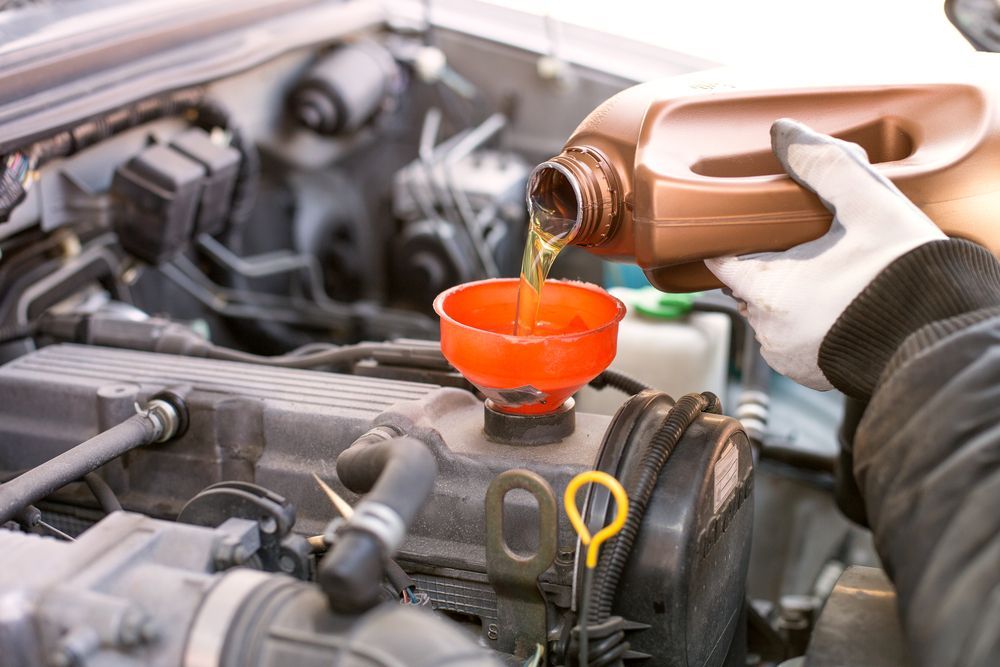
Your vehicle is positioned on a lift, and the drain plug is removed to allow used oil to fully evacuate from the oil pan. The oil filter is removed and replaced with a quality filter matched to your engine specifications, ensuring proper flow rates and filtration efficiency. New oil is added according to manufacturer capacity, and technicians verify proper levels using the dipstick before returning the vehicle to service.
After the oil change is completed, you'll notice smoother engine operation, reduced engine noise during cold starts, and improved throttle response. The new oil circulates freely through engine passages, maintaining consistent pressure and temperature control, which prevents the sludge buildup and friction that develop when oil breaks down. Fresh oil also restores the lubrication film between moving parts, reducing metal-to-metal contact that accelerates wear on camshafts, crankshafts, and valve train components.
Technicians also inspect fluid levels for coolant, brake fluid, power steering fluid, and windshield washer fluid during each service, and they note any leaks, worn belts, or other visible issues that may need attention. These inspections take only a few minutes but often identify concerns before they result in breakdowns, giving you time to plan repairs rather than react to failures.
What Drivers Ask About Oil Changes
Oil change intervals and oil selection depend on several factors, and understanding how local conditions affect your engine helps you maintain proper service schedules.
What oil type should I use for my vehicle?
Conventional oil meets most manufacturer requirements for standard driving, synthetic blend offers better heat protection for trucks and SUVs, and full synthetic provides maximum protection for high-performance engines or severe driving conditions including frequent towing or extended highway use in high temperatures.
How often should I change my oil in Odessa?
Manufacturer intervals provide baseline guidance, but dusty conditions, high heat, and frequent short trips in West Texas often require more frequent changes—typically every 3,000 to 5,000 miles for conventional oil and 5,000 to 7,500 miles for synthetic, depending on your driving patterns.
What happens if I wait too long between oil changes?
Oil breaks down and loses viscosity, allowing metal components to contact each other directly, which generates heat and accelerates wear on bearings, pistons, and cylinder walls. Contaminants also accumulate and form sludge that clogs oil passages and restricts flow to critical engine parts.
Does the oil filter really matter?
Quality filters use multi-layer media that captures particles as small as 20 microns without restricting oil flow, while cheap filters may use single-ply paper that either misses contaminants or restricts flow and reduces oil pressure.
How long does an oil change take?
Most oil changes are completed in 20 to 30 minutes, including the fluid level checks and visual inspections performed during service, allowing you to maintain your schedule without extended waiting.
Tru-Lube Brake & Tire Center combines fast service with quality lubricants and filters to protect your engine between services. Stop by the Odessa or Midland location to keep your vehicle running as designed.