Maintenance That Prevents Expensive Repairs
Preventative Maintenance in Odessa for vehicles operating in high-mileage and commercial service environments
Small issues turn into major repairs when routine inspections are skipped or delayed, and the cost difference between replacing a worn belt and rebuilding an engine damaged by belt failure is substantial. Tru-Lube Brake & Tire Center performs preventative maintenance in Odessa focused on identifying wear and deterioration before components fail, which keeps personal and commercial vehicles operational and reduces the likelihood of breakdowns during critical trips or work schedules. Technicians inspect fluids, belts, filters, brakes, tires, batteries, and other wear items based on mileage, vehicle age, and driving habits, providing customized recommendations that address actual conditions rather than predetermined service packages.
Preventative maintenance catches problems while they're still minor—a slow coolant leak detected early requires only a hose clamp or replacement hose, but ignored until the engine overheats, the same leak can warp cylinder heads and require gasket replacement or engine disassembly. Inspections evaluate brake pad thickness, tire tread depth, battery voltage, belt tension and cracking, fluid contamination, and visible component wear. For commercial vehicles operating on fixed schedules, preventative maintenance reduces unexpected downtime and extends vehicle service life, lowering total ownership costs over time.
Arrange a maintenance inspection to evaluate your vehicle's current condition and identify service priorities.
How Preventative Maintenance Reduces Repair Costs
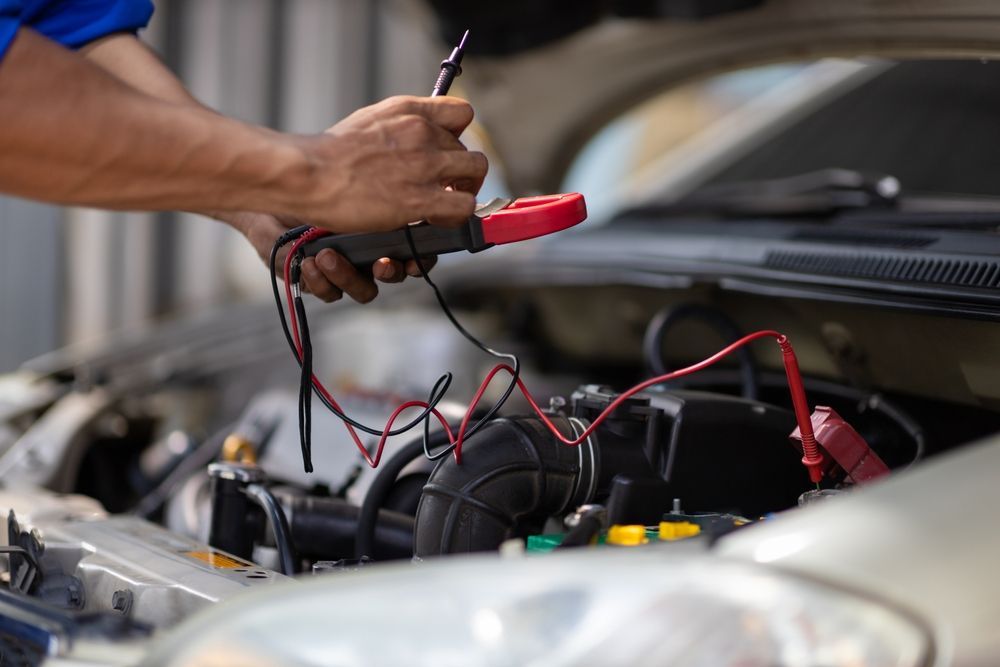
Technicians inspect your vehicle systematically, checking fluid levels and condition, examining belts for cracks or glazing, testing battery charge and terminal connections, measuring brake pad thickness, evaluating tire tread and wear patterns, and inspecting hoses for brittleness or swelling. This process identifies components nearing the end of their service life, giving you time to plan replacements during convenient service appointments rather than responding to roadside failures or breakdowns that require towing and expedited repairs.
Once maintenance is completed, you'll notice improved reliability and fewer unexpected failures. Components operate within design specifications, fluids maintain proper lubrication and cooling, and wear items are replaced before they damage surrounding systems. Regular inspections also reveal patterns—such as rapid tire wear indicating alignment issues or recurring battery failures suggesting charging system problems—that point to underlying conditions requiring correction.
Maintenance recommendations are based on actual component condition rather than arbitrary service intervals, and technicians explain what needs attention immediately versus what can wait for future service. This approach avoids unnecessary work while ensuring safety-critical systems remain functional, and it allows you to budget for upcoming repairs rather than reacting to emergency failures.
Common Maintenance Questions
Maintenance schedules vary depending on vehicle use, and understanding what drives service frequency helps you stay ahead of problems.
How often should I schedule preventative maintenance?
Manufacturer recommendations provide baseline intervals, but commercial vehicles, high-mileage drivers, and vehicles operating in dusty or high-temperature environments benefit from more frequent inspections—typically every 5,000 miles or every six months for thorough evaluation of wear items.
What gets inspected during preventative maintenance in Odessa?
Technicians check engine oil condition, coolant level and contamination, brake fluid moisture content, power steering fluid level, transmission fluid color and smell, air filter restriction, cabin filter condition, belt wear and tension, hose flexibility, battery voltage and terminal corrosion, brake pad thickness, tire tread depth and wear patterns, and visible leaks or component damage.
Does preventative maintenance really save money?
Replacing a worn serpentine belt costs a fraction of repairing the engine damage that occurs when the belt breaks and the water pump stops circulating coolant, causing immediate overheating. Early detection consistently reduces total repair costs by addressing wear before failures cascade into multiple system damage.
What's the difference between preventative maintenance and an oil change?
Oil changes focus on engine lubrication, while preventative maintenance inspects all major systems for wear, leaks, and deterioration. Maintenance visits often include oil changes along with broader inspections that identify issues unrelated to engine oil.
Is preventative maintenance necessary for newer vehicles?
Modern vehicles use complex systems where individual component failures can disable multiple functions—a failing alternator drains the battery, disables power steering and braking assist, and shuts down the engine. Regular inspections catch these issues before they strand you regardless of vehicle age.
Tru-Lube Brake & Tire Center provides honest maintenance recommendations without unnecessary upselling, focusing on services that extend vehicle life and prevent breakdowns. Visit regularly to stay on schedule and avoid costly surprises.