Diesel Engines Require Specialized Maintenance Approaches
Diesel Maintenance in Odessa for trucks operating in demanding work environments and high-mileage conditions
Regular maintenance determines whether diesel trucks remain reliable through years of heavy use or face expensive downtime from preventable failures. Diesel engines operate under higher compression ratios and generate more heat than gasoline engines, accelerating oil degradation and placing greater stress on cooling systems, fuel delivery components, and emission controls. Tru-Lube Brake & Tire Center services both personal diesel pickups and commercial work trucks across Odessa, addressing maintenance needs specific to compression-ignition engines that differ substantially from gasoline vehicle requirements.
Diesel maintenance includes oil changes using high-viscosity lubricants formulated for elevated temperatures, diesel fuel filter replacement to protect injection systems, fluid inspections covering coolant and transmission oil exposed to sustained loads, and preventative maintenance addressing wear patterns common to turbocharged engines. Technicians identify developing issues before they progress to failures that sideline vehicles during critical work periods.
Schedule diesel maintenance at either location to keep work trucks operating without unexpected breakdowns.
What Proper Diesel Service Accomplishes
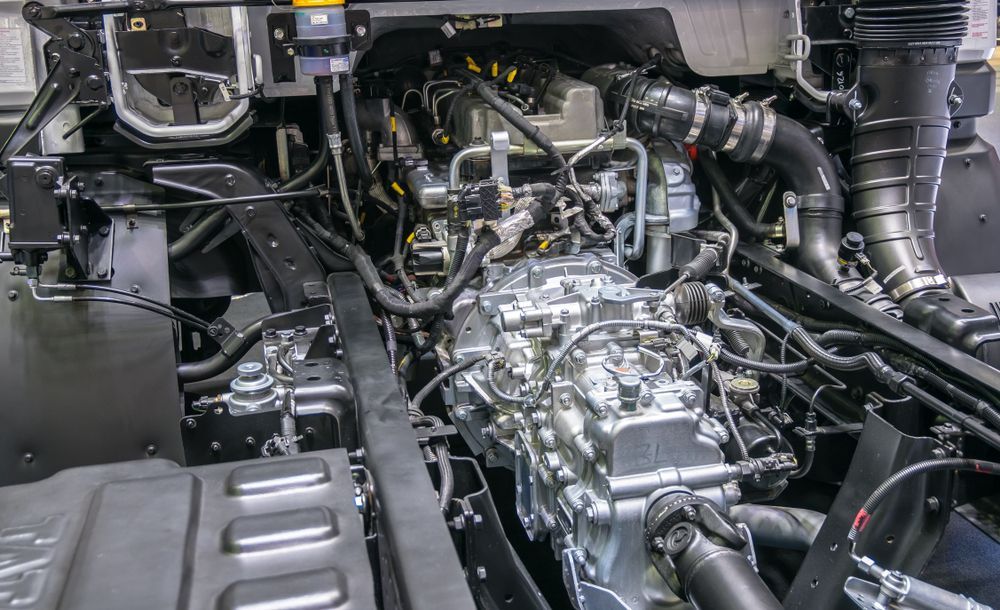
Diesel oil changes remove combustion byproducts and soot that accumulate faster than in gasoline engines, with extended drain intervals requiring synthetic oils capable of maintaining viscosity despite thermal stress and fuel dilution. Fuel filter replacement prevents contamination from reaching injection systems where tolerances measured in microns mean particle damage causes immediate failure requiring four-figure repairs. Regular fluid inspections catch coolant degradation that leads to overheating under load and transmission oil breakdown that causes harsh shifting in trucks towing heavy equipment.
After maintenance, diesel engines start reliably in cold weather without extended cranking, maintain consistent power under load without derating due to clogged filters, and avoid the black smoke indicating incomplete combustion from worn injection components. Transmission shifts remain smooth even when towing, and coolant systems maintain stable temperatures during summer operation across West Texas highways.
Inspection during service appointments identifies worn drive belts before they fail and strand trucks, reveals exhaust system leaks affecting emission controls, and detects early signs of turbocharger wear through oil consumption patterns. This proactive approach reduces the likelihood of roadside failures and extends engine longevity by addressing wear before it compounds into major component damage.
Common Diesel Maintenance Questions
Diesel truck owners often ask about service intervals and maintenance differences compared to gasoline engines they may be more familiar with.
Why do diesel trucks need different oil than gasoline vehicles?
Diesel engines operate at higher compression ratios generating more heat and combustion byproducts, requiring oils with enhanced detergent packages and higher viscosity ratings to maintain protection between longer service intervals.
How often should diesel fuel filters be replaced?
Most diesel trucks benefit from fuel filter replacement every ten to fifteen thousand miles depending on fuel quality, with more frequent changes appropriate for vehicles refueling at remote locations where fuel storage conditions vary.
What causes diesel engines to lose power under load?
Clogged fuel filters, restricted air intake, or failing turbochargers commonly cause power loss during acceleration or towing, with early detection during maintenance preventing complete failure requiring expensive component replacement.
Does Odessa weather affect diesel maintenance needs?
Extreme summer heat accelerates coolant and oil degradation while cold winter mornings stress glow plug systems and batteries, making seasonal fluid inspections valuable for maintaining reliable cold starts and preventing overheating.
Can regular maintenance prevent diesel emissions system problems?
Yes, maintaining clean fuel delivery, proper oil change intervals, and functional cooling systems reduces stress on emissions components like diesel particulate filters and exhaust gas recirculation valves that fail when underlying maintenance is neglected.
Experienced technicians at Tru-Lube Brake & Tire Center understand diesel engine requirements and perform maintenance that maximizes reliability for personal trucks and commercial work vehicles. Contact the shop to discuss diesel maintenance schedules that fit your operational demands.